
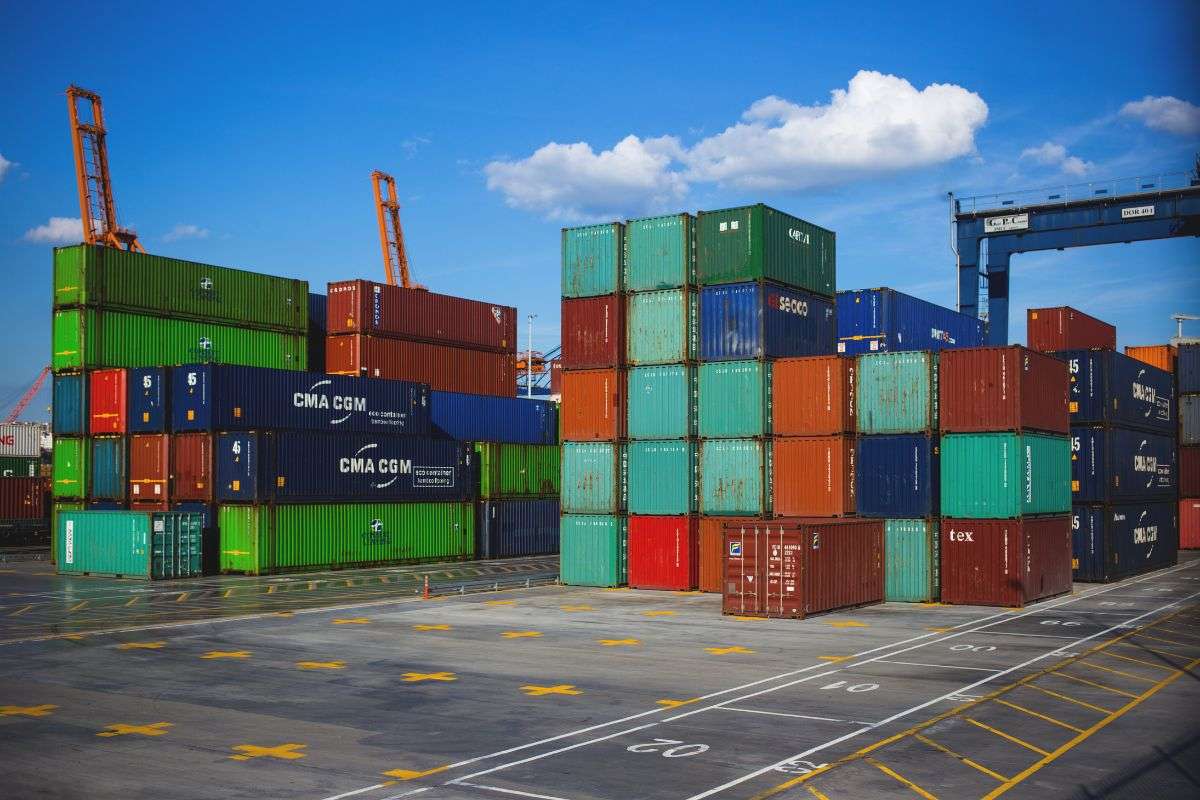
In our increasingly connected world, efficient logistics and freight management are essential for businesses striving to stay competitive and meet customer expectations. Traditional methods of managing logistics are rapidly evolving due to technological advancements. These innovations are enhancing efficiency, improving transparency, reducing costs, and enabling faster deliveries. Let’s explore how technology is reshaping freight management.
Automation and AI in Freight Booking
The way freight is booked and managed has been transformed by technology. Automated systems powered by artificial intelligence (AI) now analyze vast amounts of data to optimize routes, select carriers, and predict potential disruptions. AI algorithms learn from past experiences, helping logistics companies make informed decisions quickly and accurately. This automation reduces human error, minimizes delays, and optimizes resource allocation, ultimately leading to significant cost savings for businesses.
Real-Time Tracking and Visibility
One of the major challenges in logistics has been the lack of real-time visibility into the movement of goods. With the advent of GPS tracking and IoT (Internet of Things) sensors, businesses can now monitor shipments in real time. This enhanced visibility allows logistics managers to anticipate delays, reroute shipments if necessary, and provide customers with accurate arrival times. Real-time tracking also improves security by reducing the risk of theft and ensures compliance with regulatory requirements. Modern freight management systems powered by AI help logistics companies efficiently find loads to ship by analyzing market demand and optimizing routes.
Blockchain for Transparent Supply Chains
Blockchain technology is being increasingly adopted in logistics to create transparent and secure supply chains. By recording transactions in a decentralized and immutable ledger, blockchain provides a single source of truth for all parties involved in freight management. This transparency enhances trust between stakeholders, reduces disputes, and improves the efficiency of documentation processes such as customs clearance and invoicing. Additionally, blockchain enables faster payments and settlements, benefiting both suppliers and carriers.
Predictive Analytics for Demand Forecasting
Predictive analytics is a game-changer in freight management. By analyzing historical data, market trends, and external factors like weather patterns, predictive analytics can forecast demand more accurately. This capability allows logistics companies to optimize inventory levels, plan transportation capacity more efficiently, and reduce overall logistics costs. By understanding demand patterns in advance, businesses can better allocate resources and avoid overstocking or stockouts.
Driver and Fleet Management Solutions
Managing drivers and fleets is a critical aspect of freight logistics. Technology solutions now offer comprehensive fleet management systems that optimize routes, monitor driver behavior, and track vehicle maintenance schedules. These systems improve driver safety, reduce fuel consumption, and extend the lifespan of vehicles. Integrated dashboards provide logistics managers with real-time insights into fleet performance, enabling proactive decision-making and ensuring compliance with regulatory requirements.
Environmental Sustainability Initiatives
With growing global awareness of environmental issues, logistics companies are under pressure to minimize their carbon footprint. Technology plays a vital role in enabling sustainable practices in freight management. Electric and hybrid vehicles, route optimization algorithms that prioritize fuel efficiency, and initiatives to reduce packaging waste are a few examples of how technology is helping logistics companies achieve their sustainability goals. By adopting eco-friendly practices, businesses not only contribute to environmental conservation but also enhance their brand reputation.
Embracing the Future of Freight Management
As technology continues to evolve, the future of freight management looks promising. Innovations such as autonomous vehicles, drone delivery systems, and further advancements in AI and IoT are expected to streamline logistics operations even more. Businesses that embrace these technologies early will gain a competitive edge by offering faster deliveries, lower costs, and superior customer service.
Conclusion
The integration of technology into freight management is transforming the industry by making operations more efficient, transparent, and sustainable. By embracing innovation, businesses can streamline their logistics processes and pave the way for future growth and profitability.


