
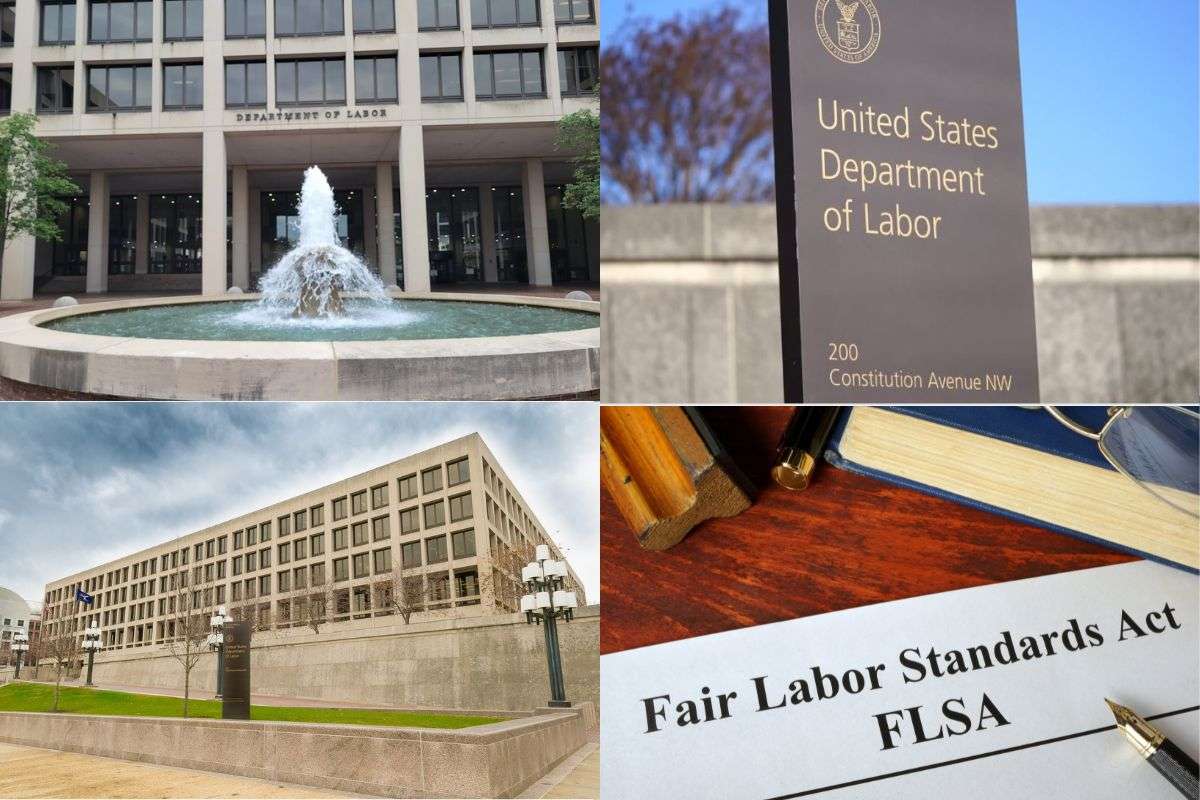
From Lexology, Hugh F. Murray, III and Matthew A. Windman review the United States Department of Labor’s proposed independent contractor rule and discuss why it may not make a difference. Hugh and Matthew write:
Why This May Have Little Impact
While the proposed rule change has been touted as streamlining and simplifying the determination of employee status, there are two big reasons it does not.
First, it is very limited in its scope. The proposed rule applies to only three federal statutes administered by the DOL. It does not apply to determinations under other federal laws such as the Employee Retirement Income Security Act (ERISA), the Internal Revenue Code, or anti-discrimination laws like Title VII of the Civil Rights Act of 1964 or the Americans with Disabilities Act (ADA). More importantly, it does not apply to the state law standards that vary between jurisdictions and, within a jurisdiction, between different laws….
Second, even within the three narrow laws to which the DOL has directed this proposed rule, the ability of a federal agency to define statutory terms is extremely limited. Most enforcement of the FMLA and the FLSA is done through private lawsuits in federal court. The US Supreme Court held in 2024 that courts, not administrative agencies, define statutory terms, and that agency interpretations are entitled to little deference by courts.
The DOL’s proposed rule does not automatically rewrite the legal standard applied by federal courts. Courts have developed their own economic reality doctrine over decades and will continue to apply controlling precedent in their respective jurisdictions.
Read the full story at New Proposed Federal DOL Independent Contractor Rule May Not Make a Difference – Lexology