
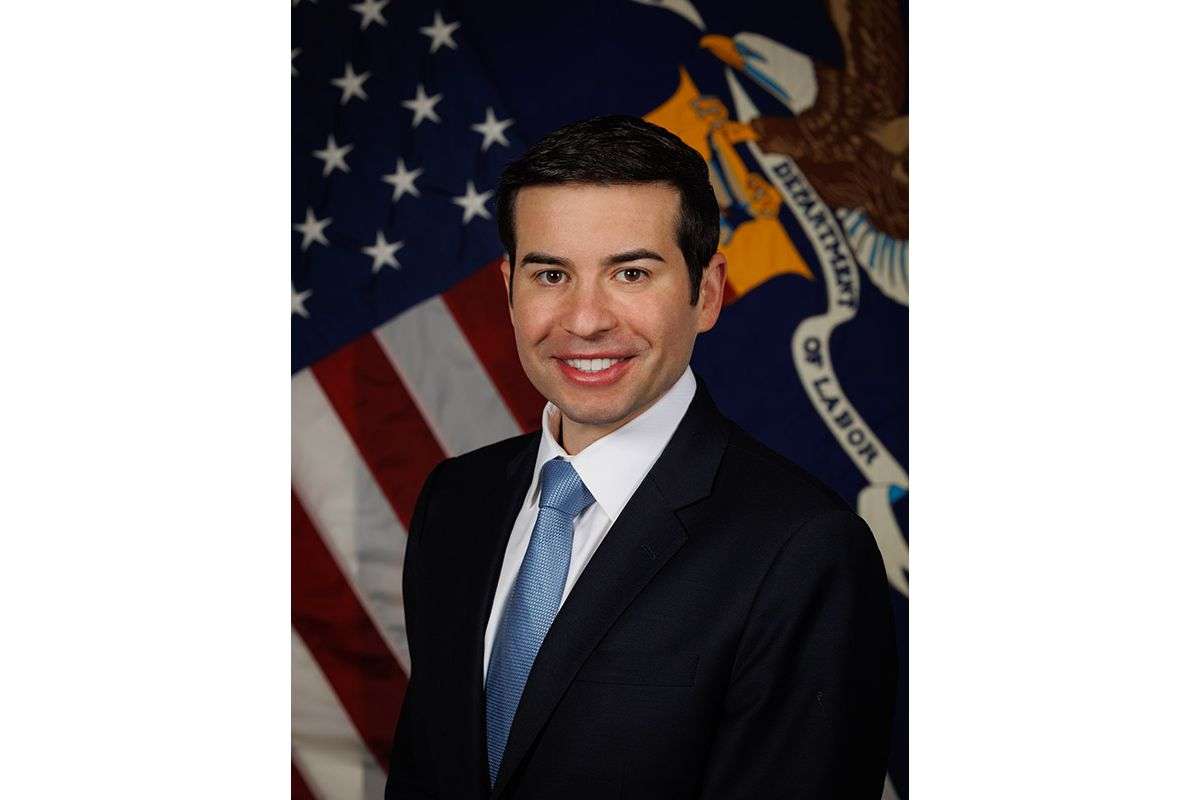
From JDSupra, David Dorey and Rick Grimaldi discuss the confirmation of Keith Sonderling as United States Secretary of Labor and offer their predictions on what to expect from him including expecting him to finalize and issue the proposed independent contractor rule. David and Rick write:
Keith Sonderling is now officially the US Secretary of Labor, and employers, naturally, might have questions for what that means for the workplace. The Senate confirmed him on September 30, cementing the role he has been serving in for the past several months. What does this mean for the Department of Labor? Fisher Phillips’ Government Relations Practice Group has put together four predictions on what we expect from Sonderling in the months to come.
Get Up to Speed
Sonderling is no stranger to the world of labor and employment policy. Before his roles in the current Trump administration, he worked as a management-side labor attorney, a commissioner and vice chair at the EEOC, and acting administrator of the Department of Labor’s (DOL’s) Wage and Hour Division. He had been serving as Deputy Secretary of Labor since March 2025, and took over as acting leader of the department in April 2026 when former Labor Secretary Lori Chavez-DeRemer resigned.
Sonderling’s nomination to serve as Secretary of Labor was cheered by the business community, which supports his emphasis on compliance assistance, voluntary correction, and regulatory simplification. However, the Trump DOL has also beefed up enforcement in other areas, particularly when it comes to cracking down on potential fraud in the work-based immigration and visa system. Overall, under Sonderling, DOL is likely to be more receptive to employers that take documented, good-faith compliance steps and voluntarily correct issues.
What’s Next at DOL?
Given Sonderling’s extensive background and tenure at DOL, we’ve put together four predictions about what to expect now that he’s leading the department.
- Compliance assistance will remain a top priority and policy focus at DOL.
Since President Trump took office, DOL has shifted its focus towards helping employers better understand the law, as well as taking a corrective rather than punitive approach to enforcement. Sonderling has helped oversee the WHD’s relaunch and expansion of its Payroll Audit Independent Determination (PAID) Program and the Department’s robust opinion letter program.
The PAID program allows employers to self-report to DOL and resolve potential violations by paying the required back wages.
And DOL’s opinion letter program answers specific legal questions from employers, workers, or other interested parties across five different enforcement agencies. Under the Trump administration, DOL has been releasing these opinion letters, as well as other types of non-binding agency guidance, at a much higher frequency than past administrations. Here are summaries of some of the opinion letters that the Department has released since Sonderling took over on an interim basis: commuter and remote worker travel pay, tip pools and unpaid meal periods, and volunteers at non-profit workplaces.
We predict these programs will continue to churn out compliance advice at a fast clip, but caution employers that opinion letters are fact-specific responses to a certain employment situation, and may not be broadly applicable to their business.Still, employers with recurring compliance questions – especially involving FLSA exemptions or worker classification – should closely monitor the increased number of opinion letters and Field Assistance Bulletins. Consult with your counsel regarding whether DOL’s self-correction or compliance assistance programs are the right fit for your business situation.
- Full speed ahead on independent contractor and joint employment clarity.
DOL has proposed two high-profile regulations to simplify its approach to determining independent contractor and joint employment status. Given how closely the business community is watching these regulations, we expect Sonderling to place a high priority on getting these rules over the finish line.
Employers using contractors, staffing arrangements, franchising models, or platform-based labor shouldn’t assume there will be drastic changes to their working arrangements or joint employment exposure from these rules, but rather easier, more simplified legal tests when it comes to questions about employer or worker status.
According to the most recent regulatory agenda, DOL plans to issue a final rule on independent contractor status under the Fair Labor Standards Act before the end of October 2026. The agenda didn’t include a timeline, however, for a final joint employer rule.
Employers should also pay special attention to the durability of these rules in court. We’ll be keeping an eye on how the solicitor’s office navigates the new guardrails on agency rulemaking and legal interpretations left in the wake of the Supreme Court’s decision to overturn the Chevron doctrine. (More on that ruling here.) How DOL crafts each rule’s legal justification and rulemaking record will be critical to surviving any post-Chevron challenges.
📚 Read more about the joint employer proposal and the independent contractor proposal from FP’s prior coverage.
- The department will speak on artificial intelligence in the workplace.
While the Trump DOL has taken steps to address AI’s impact on the workforce, those efforts have largely been focused on worker training rather than the legal exposure and compliance questions that come from deploying AI in the workplace.
We expect Sonderling to issue more guidance on this issue, as he was one of the EEOC’s most vocal commissioners on employment-related AI. He has repeatedly emphasized that an employer remains responsible for employment decisions made through automated systems.
🔎 Read more about Sonderling’s opinions on artificial intelligence from his conversation with Fisher Phillips’ Chairman and Managing Partner John Polson at the 2023 Fisher Phillips AI Strategies @ Work Conference, when he was serving as EEOC commissioner.
- Increased attention on work-based visa and immigration compliance.
Despite the Trump DOL’s posture towards compliance assistance and corrective action, the administration has taken a different approach to work-based immigration enforcement.
For example, in September 2025, DOL launched “Project Firewall” to crack down on alleged misuse of the H-1B program. Working with the EEOC and the Justice Department, DOL has been investigating employer job postings, hiring patterns, and other business practices related to H-1B hires. Project Firewall is part of the Trump administration’s effort to address concerns that the H-1B visa system is subject to abuse and is displacing American workers. Violations can rack up significant civil penalties and even lead to debarment from participating in the visa program.
The Department of Homeland Security (DHS) has also advanced changes to the H-1B visa selection system and is pushing to impose massive fees on certain H-1B petitions. Given this policy record, we expect federal agencies, including DOL and DHS, to continue closely scrutinizing work-based immigration arrangements. Work with your counsel to audit your practices and ensure compliance as rules evolve.


